A lift pit sits at the lowest point of the building, so it is the first place ground water collects — and a flooded pit means failed equipment and failed compliance. Goliath Coatings delivers lift pit tanking across Auckland, sealing lift and elevator pits against water ingress to keep the shaft dry and the lift certifiable.
Why lift pit tanking is critical
Lift pits must stay dry for the machinery, the electrics and the building consent. Because the pit is below the water table in many Auckland sites, it is under constant hydrostatic pressure and any weakness in the concrete or joints will weep. Lift pit tanking applies a continuous, pressure-rated barrier to the walls and base so water cannot track in through the slab, the construction joints or the penetrations.
How we tank a lift pit
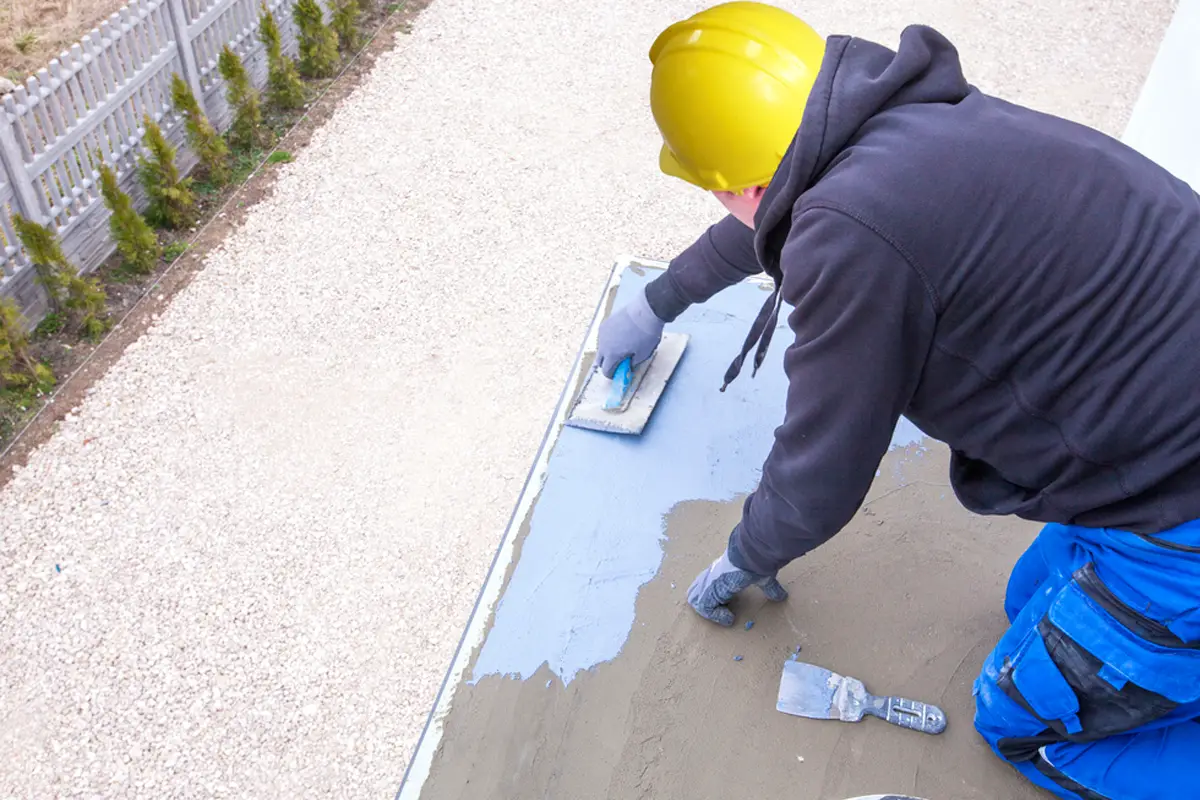
We prepare the concrete, cut and seal any active leaks with hydraulic plugging compounds, then apply a cementitious tanking system or liquid membrane rated to hold back negative-side water pressure. Corners, the wall-to-floor junction and any penetrations get reinforced detailing, because that is where pits typically fail. The result is a dry pit that passes inspection.
New pits and leaking pits
We tank new lift pits during construction and remediate existing pits that have begun to flood. For existing pits we identify the ingress points first — often a single cold joint or tie-bolt hole — and treat the cause, not just the symptom, so the pit stays dry for the life of the lift.
The products and systems we use
A lift pit must stay permanently dry under constant hydrostatic pressure, so we use systems built for continuous water contact. Penetrating crystalline waterproofing — Xypex and Markham Aquron — is ideal here because it seals the concrete matrix from within and keeps working under a standing water table without external access. We back it with negative-side cementitious tanking such as Mapei Mapelastic Foundation and Sika SikaProof, crack injection to stop active leaks, and a sealed, drained sump so the pit meets the dry-pit conditions lift engineers and building compliance expect.
Why choose Goliath Coatings
Lift pit tanking is a specialty. A pit has to stay permanently dry under constant ground-water pressure, so we treat it as a sealed box — base, walls and construction joints — and make sure it holds before the lift goes back in. Free on-site assessment, one-business-day response, and 5-star Auckland reviews.
Lift pit tanking FAQs
Q: Can you stop an actively leaking lift pit?
A: Yes — we plug the active leaks with hydraulic compounds first, then apply a negative-side tanking system rated for the water pressure.
Q: Will tanking get my lift pit through inspection?
A: A correctly tanked, dry pit meets the dry-pit requirement for lift compliance. We seal it to hold back ground-water pressure permanently.
Q: How long does lift pit tanking take?
A: Most pits are completed in a few days depending on size and how much active water has to be controlled before coating.
Q: What waterproofing do you use in a lift pit?
A: Usually crystalline systems like Xypex or Aquron combined with cementitious tanking such as Mapelastic Foundation or SikaProof, because a lift pit has to stay dry under permanent ground-water pressure and is almost always treated from the inside.
Q: What determines the cost?
A: The extent of the water ingress, whether the fix is internal or external tanking, and whether drainage needs upgrading. We diagnose the source on site — free — then quote the right system, not the most expensive one.
Q: Is the work guaranteed?
A: Yes — our workmanship is guaranteed and we install proven systems from leading suppliers. Goliath Coatings is fully insured, Tōtika accredited and Site Safe certified.